
Every year, thousands of Kenyan students, graduates, and side-hustlers ask the same question: what skill should I learn to start earning online, and where can I learn it without paying for a course I can't yet afford? The good news is that in 2026, the internet already has everything you need for free — the missing piece is usually not access, it's a clear starting point.
This guide lays out the six most practical free digital skills for the Kenyan market right now, exactly where to learn each one at zero cost, and how to turn that skill into your first online payday within weeks, not months.
The fastest free digital skills Kenyans can learn to start earning online in 2026 are: graphic design (Canva), virtual assistance, content writing & copywriting, Google Workspace / productivity tools, basic video editing, and social media management. Each can be learned free on YouTube, Google's own free training, or structured free/low-cost guides, then converted into freelance income or paired with reselling digital products for a faster first payday.
The pattern that works: pick one skill, practice it for two weeks using free resources, build a tiny portfolio, then combine it with a proven income path like 12 legit ways Kenyans are already making money online so you're earning while you're still learning.
Most people delay earning online because they think they need money to start — a laptop, a paid course, ad budget. In reality, the internet economy rewards skill and consistency long before it rewards capital. A skill you can offer for free (using only your phone and data bundle) is the one asset nobody can take from you, and it compounds: the more you practice, the more valuable your time becomes to a paying client.
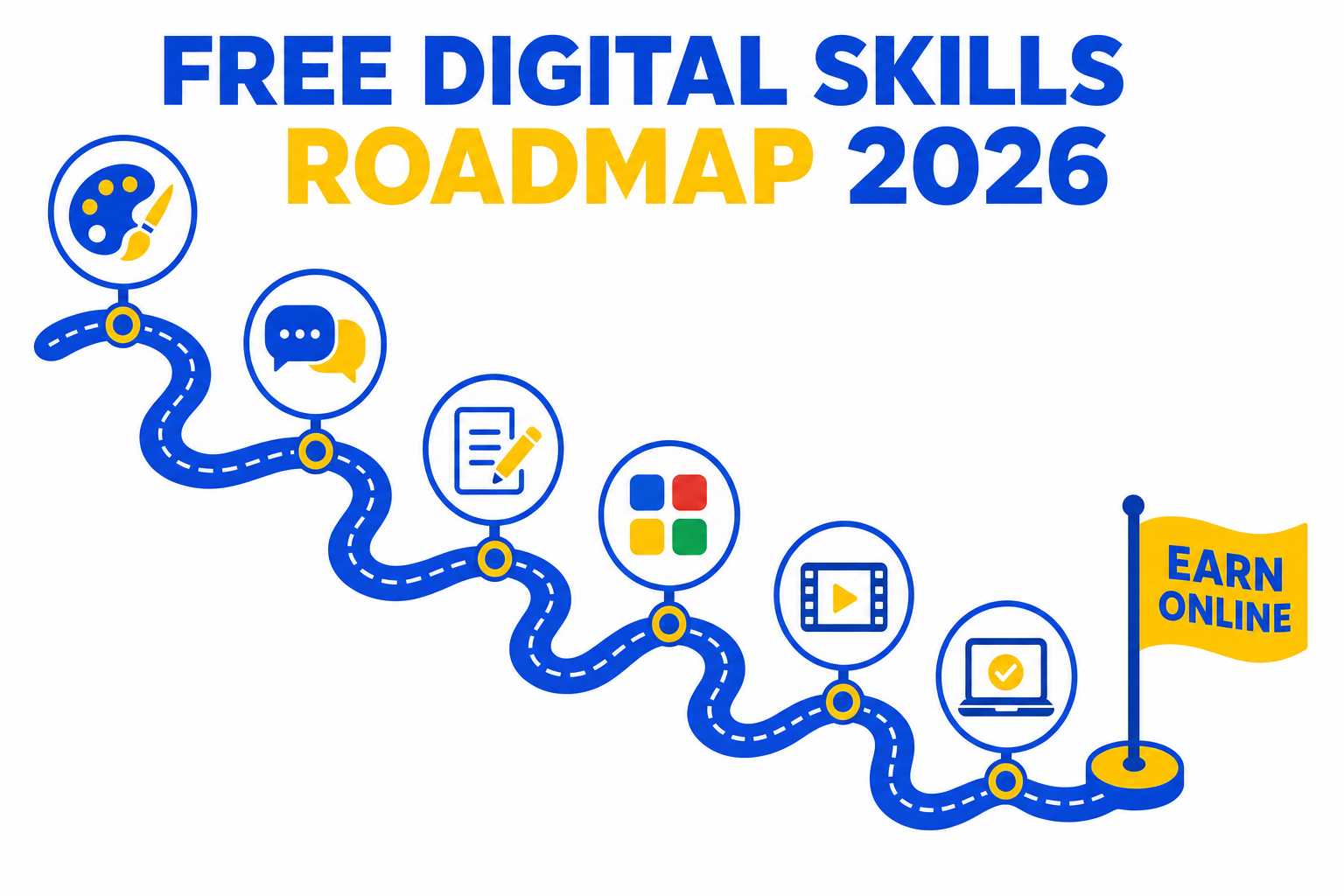 Zero capital, real skills: the roadmap from learning to earning.
If you've already read how to start a digital business with no capital in Kenya, this guide is the natural next step — it zooms in on the exact skills that make "no capital" businesses actually work.
Not every skill is equally easy to monetize quickly. These six were chosen specifically because they have low learning curves, strong demand from real clients, and can be practiced entirely on a smartphone.
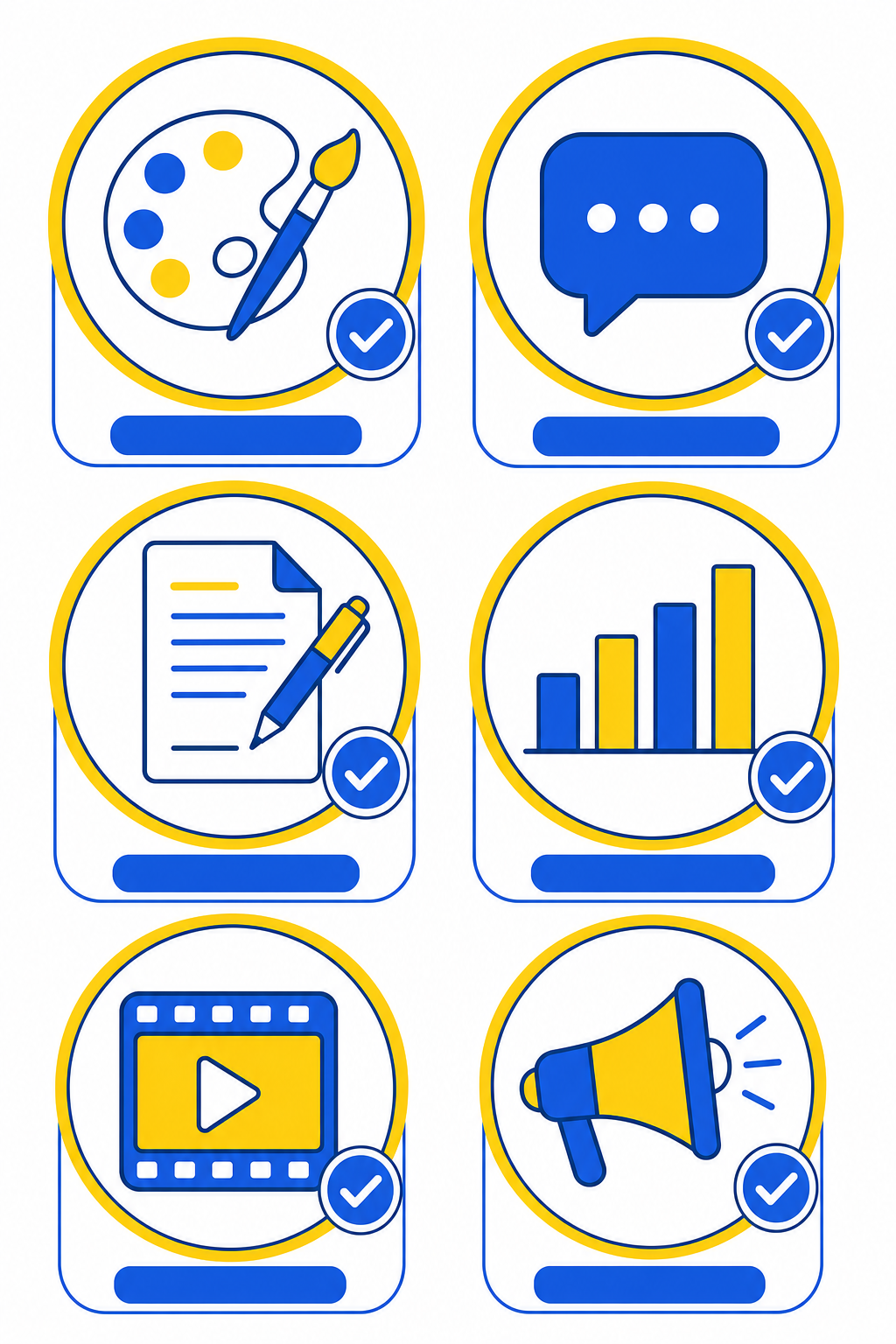 Pick one. You don't need all six to start earning.
Graphic design (Canva): Flyers, social media posts, business cards, and product mockups for small businesses.
Virtual assistance: Email management, scheduling, customer replies, and admin support for busy entrepreneurs abroad.
Content writing & copywriting: Blog posts, product descriptions, and social captions for businesses that don't want to write their own.
Google Workspace / productivity tools: Docs, Sheets, Slides, and Forms — the backbone of remote admin, data, and reporting work.
Basic video editing: Trimming, captions, and transitions for TikTok, Reels, and YouTube Shorts creators who don't have time to edit their own content.
Social media management: Posting schedules, captions, and community replies for small businesses that know they need a presence but don't have time to run it.
You don't need a paid bootcamp to become client-ready. These sources cost nothing beyond data.
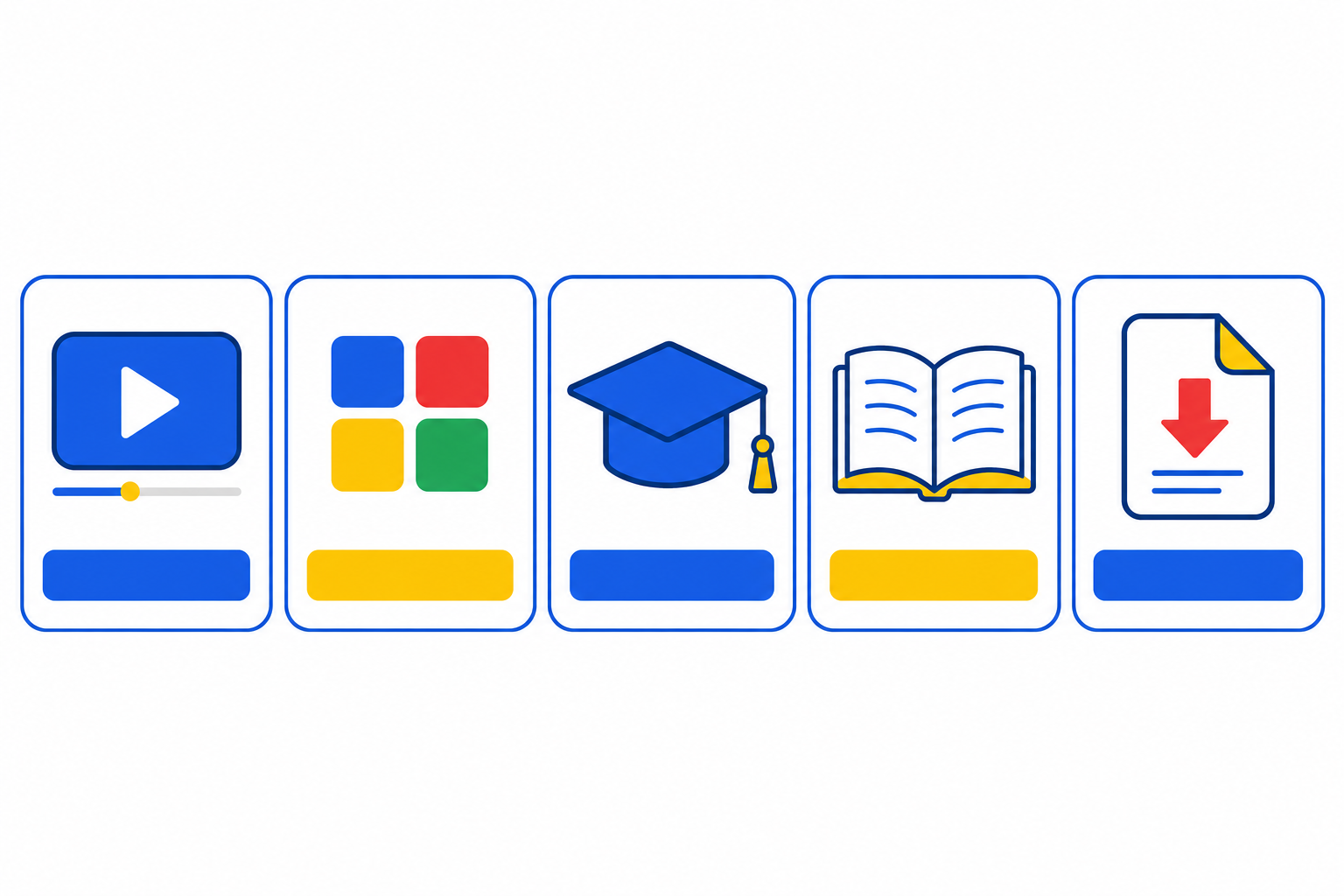 Every skill on this list can be learned from these five free sources.
YouTube remains the single fastest way to learn Canva, video editing, and social media basics — search the specific task you need (e.g., "how to make an Instagram carousel in Canva") rather than a generic course. For Google Workspace, Google itself publishes free step-by-step training, and Vezill's own Mastering Google Applications video series walks through Docs, Sheets, Slides, and Gmail one application at a time with practical, real-world examples — ideal if you want a structured path instead of scattered videos.
If you're a recent KCSE graduate weighing your next move, it's worth understanding how technical and vocational training now connects directly to a degree pathway — this Certificate-to-Degree TVET pathway guide maps out exactly how ICT and digital-technology TVET routes can lead to real, marketable qualifications without starting at university. And if brushing up on foundational subjects would help your confidence while you learn a new skill, Ann's Maths Club offers a friendly, beginner-level introduction to algebra at no pressure.
Start narrow: Don't try to learn all six skills at once. Pick the one that matches something you already enjoy doing on your phone — writing captions, editing your own videos, organizing your notes — and go deep on that first.
Learning a skill and getting paid for it are two different steps, and most beginners stall at the gap between them.
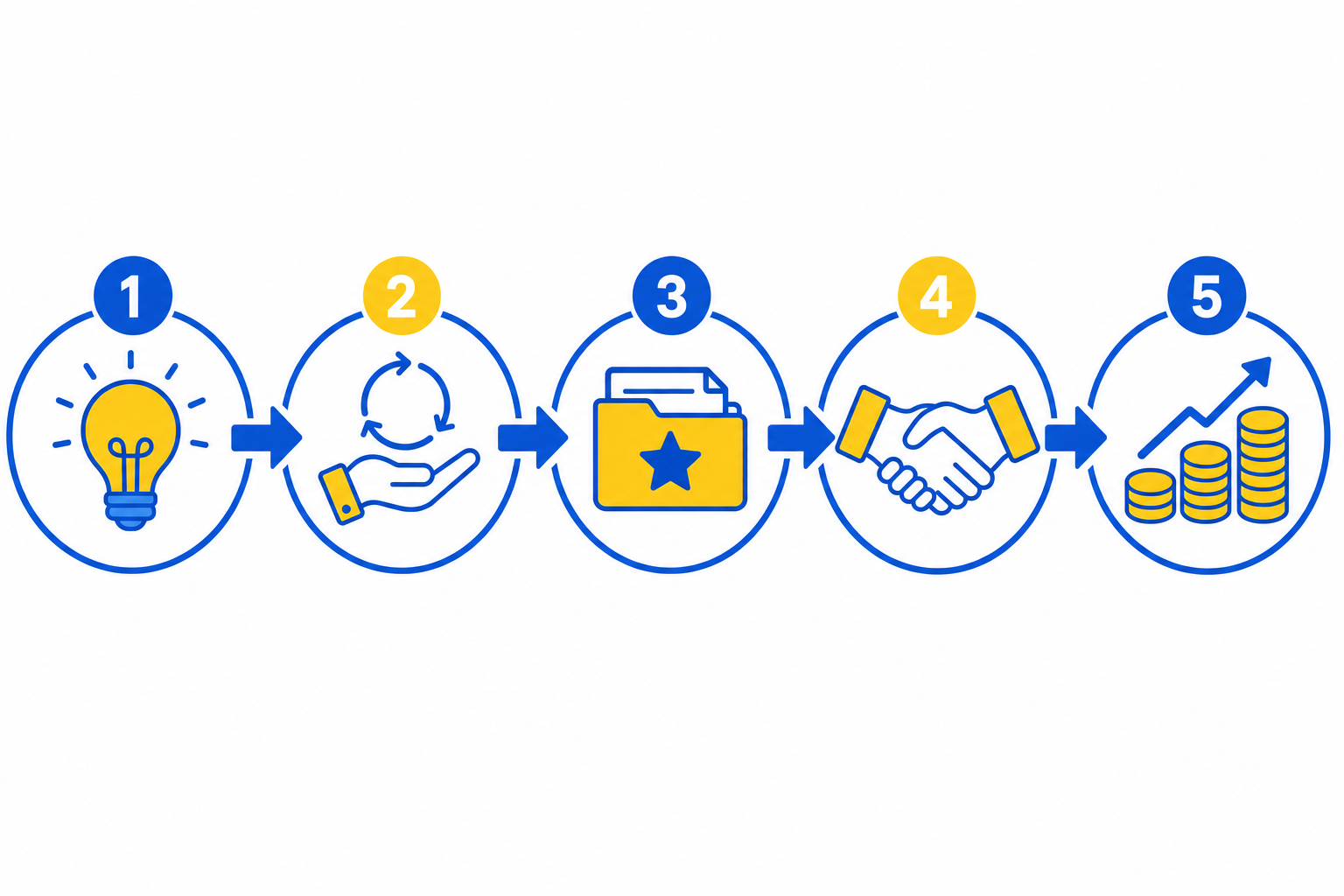 The five-step bridge between "I learned it" and "I got paid for it."
After learning the basics, spend a week practicing on real (even unpaid) sample tasks — redesign a friend's business flyer, rewrite a shop's product description, edit a short video for practice. Package three of your best examples into a simple portfolio (a Google Drive folder or a few WhatsApp Status posts is enough), then offer your first client a discounted or even free trial task in exchange for a testimonial. If job-hunting is also part of your plan while you build this up, this practical guide to job hunting in Kenya shows how to run both paths — job applications and freelance skill-building — at the same time.
A skill alone can take a few weeks to convert into your first client. Reselling digital products can produce income the same day, which makes an excellent bridge while your skill-based income ramps up.
Faster First Payday
While you're building a portfolio and landing your first freelance client, Vezill lets you start earning immediately by reselling ready-made digital products — no product creation required, and you keep up to 90% of every sale.
Browse digital products on Vezill →
This combination — a real skill plus a reselling income stream — is exactly the strategy behind how Kenyans are making Ksh 1,000 per day online, where digital product trading is consistently the fastest starting point while a longer-term skill is still being built in the background.
Days 1–7: Choose one skill from the list above and watch 3–5 focused YouTube tutorials or the relevant free training series on it daily.
Days 8–14: Practice on real sample tasks — even unpaid ones — and save your best 3 examples.
Days 15–21: Build a simple portfolio and reach out to 10 potential clients or small businesses offering a discounted first task.
Days 22–30: Deliver your first paid task, collect a testimonial, and simultaneously set up a Vezill digital product store as a parallel income stream.
Trying to learn everything at once — depth in one skill beats shallow exposure to six.
Waiting to feel "ready" — clients hire based on a portfolio, not a certificate.
Paying for a course before trying the free route — most beginner-level content is already free; save paid courses for advanced specialization later.
Not tracking practice work — every practice task should be saved as future portfolio proof.
Ignoring faster parallel income — pairing a skill with digital product reselling avoids the "zero income while learning" trap entirely.
You don't need capital, a certificate, or perfect conditions to start earning online in Kenya in 2026 — you need one skill, practiced consistently using resources that already exist for free. Pick the skill that fits how you already spend time on your phone, give it two focused weeks, and pair it with a fast income stream like digital product reselling so you're not waiting months to see your first shilling.
Choose one skill from this list today, watch your first tutorial, and set a reminder to check back in seven days with something real to show for it.
Graphic design using Canva is typically the fastest to pick up, since it requires no coding, works fully on a smartphone, and has enormous free tutorial coverage on YouTube covering exactly the templates small businesses need most.
No. Canva, content writing, social media management, and even basic video editing can all be learned and practiced entirely from a smartphone. A laptop makes some tasks faster later, but it is not required to start.
With focused daily practice, most beginners can build a small portfolio and land a first paid task within two to four weeks, especially if they combine outreach with a parallel income stream like digital product reselling.
Google publishes its own free training resources, and structured video series such as Vezill's Mastering Google Applications walk through Docs, Sheets, Slides, and Gmail one application at a time with practical examples.
They work best together, not as a choice. Digital product reselling can generate income almost immediately with no learning curve, while a freelance skill builds longer-term, higher-ceiling income — running both at once avoids the "zero income while learning" gap.
Yes, if you lead with a small portfolio of practice work rather than years of experience. Many first clients are small local businesses who care more about a fair price and quick turnaround than formal credentials.
Discover more articles you might be interested in
Learn where to find reliable step-by-step guides online, how to choose the right tutorial for your task, check whether it is current and follow instructions safely.
By Davie
Stop searching broad topics and start finding the exact knowledge you need. Learn how to define your problem, search smarter, choose reliable sources, verify answers and take action.
By Davie
Quick Knowledge or an online course? Learn when a focused answer is enough, when structured learning is better, and how to choose the right learning depth for your goal.
By Davie
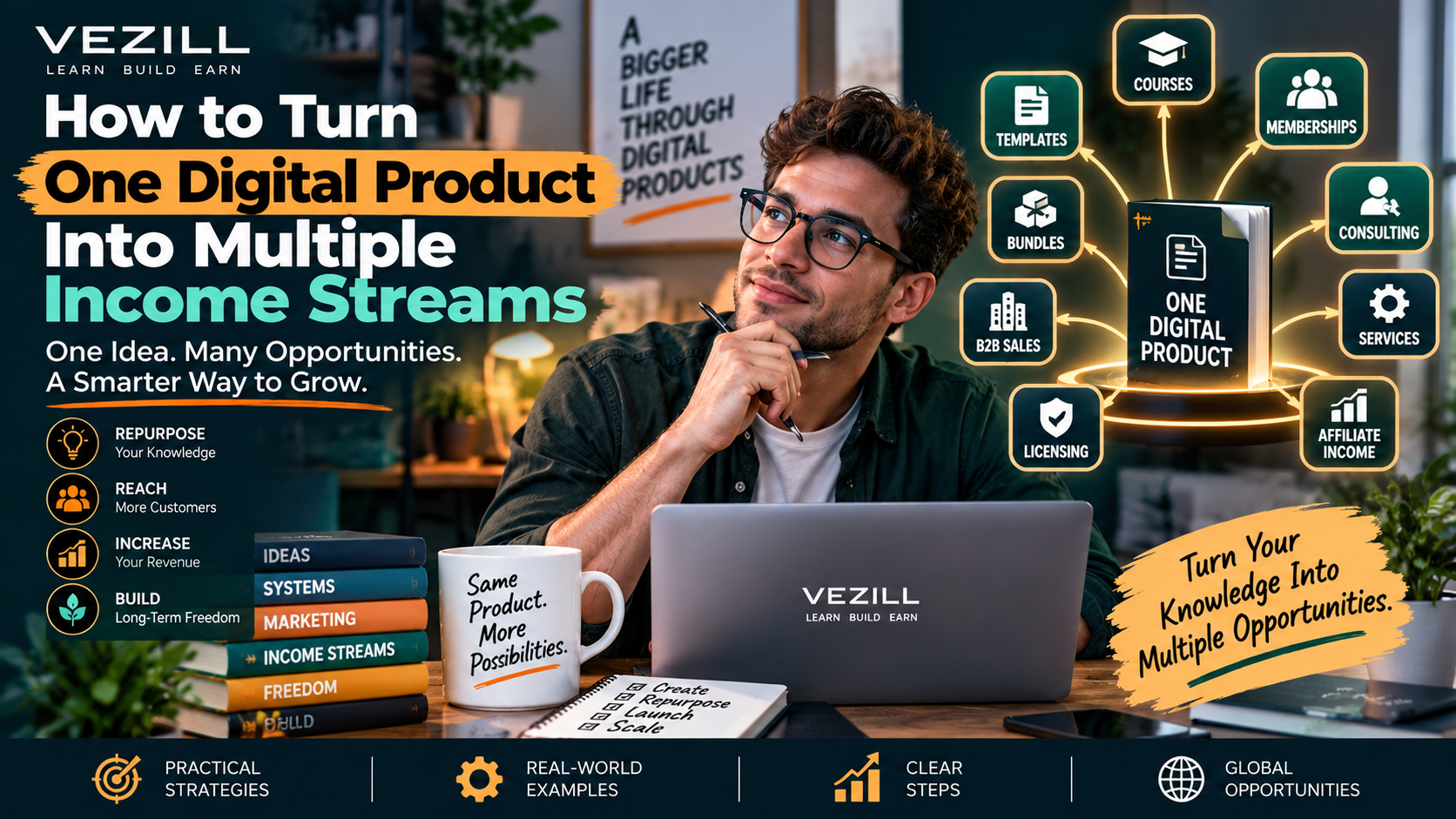
Learn how to turn one useful digital product into multiple income streams through premium versions, bundles, courses, licensing, services, subscriptions, B2B sales and complementary products.
By Davie
Get the updates, on newly released, popular & fast-moving MRR digital products
Up to Top
Comments All
Victor
@victor
I really enjoyed this article because it shows that you don’t always need money to get started online. I like that it focuses on skills you can learn for free and actually use to create income. It gave me a few ideas on what I’d like to learn next.
September 06,2026 At 10:00 PM
Jesse
@jesse
What I liked most is that the article connects free learning with actual ways to earn. I could pick one skill, learn it using the suggested free resources, then practice by taking on small projects before looking for paying clients. It makes the process feel achievable without needing a big investment upfront.
August 26,2026 At 10:58 PM