
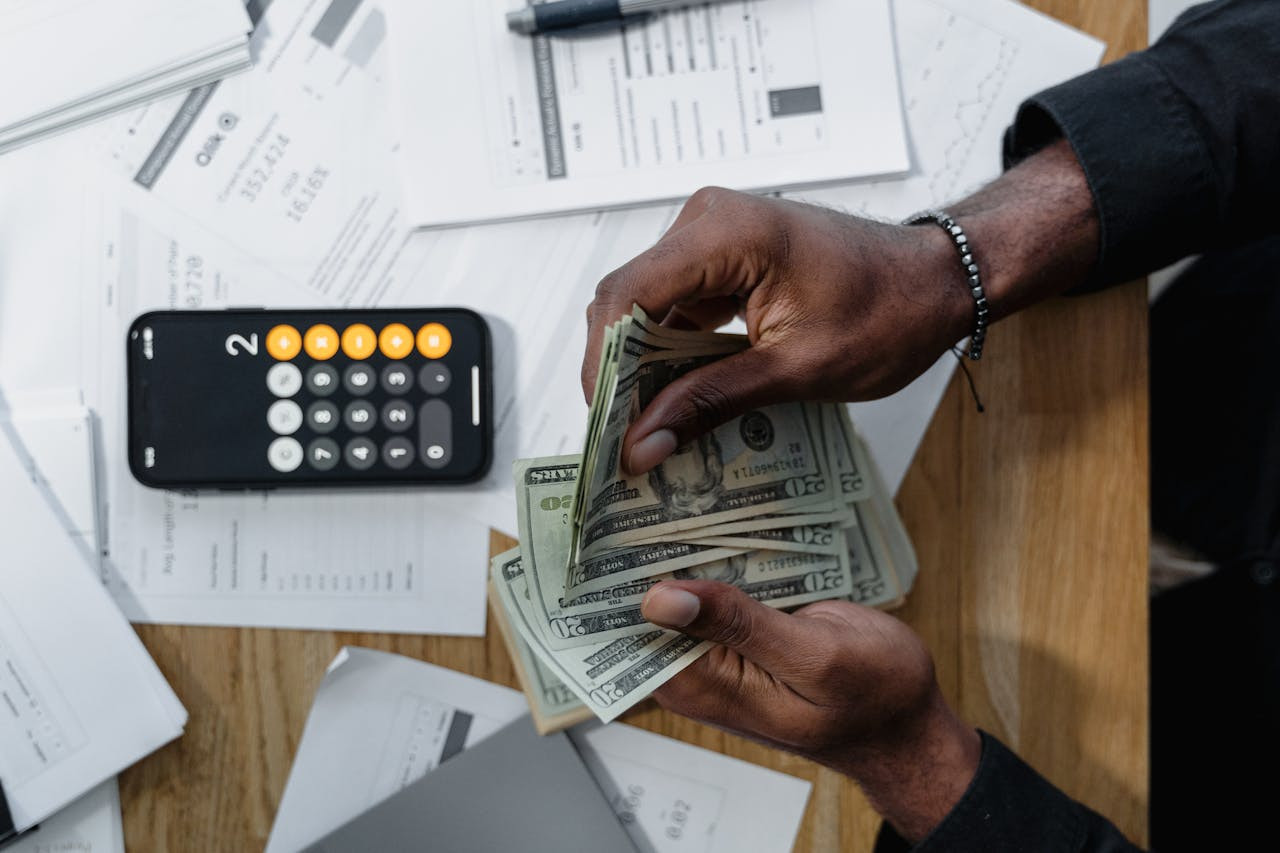
What it is: Vezill is a digital marketplace where you can create and sell digital products or resell existing ones with “Master Resell Rights (MRR)”.
How you earn: You upload a digital product (e.g. an e-book, a course, a guide, software templates, tutorials, etc.). When someone buys it, you earn the sale amount (after a platform commission). Alternatively, you can resell items with resell rights, earning from each sale or resale.
Payouts: Earnings accumulate in a Vezill “e-wallet,” and when you withdraw, either to a bank account or mobile money (depending on the platform’s terms), Vezill charges a 10% commission.
Who it's good for: Creatives, freelancers, teachers, gamers, or anyone with knowledge/skills to package as digital products.
Pros/Cons: Potentially scalable, creative freedom, passive income via resells but success depends heavily on the quality and demand for your digital product, and consistent marketing.
What it is: An app/platform for micro-tasks, small jobs you can do online, such as data entry, writing short texts, taking surveys, web research, or tagging images.
How you earn: Pick tasks from available ones in the app; once you complete and submit a task, a client reviews it. If approved, you get paid.
Payouts: Payments are usually sent via reliable channels (e.g. PayPal or Payoneer), often weekly.
Who it's good for: People wanting flexible work they can do anytime, anywhere, especially if they have internet access but limited time.
Pros/Cons: Very accessible, wide range of small tasks, no long-term commitment. But the pay per task can be small, so you need to be consistent and do many tasks to accumulate meaningful earnings.
What it is: A “rewards” app that pays users for simple, everyday actions: watching videos, taking surveys, playing games, shopping online, using search engines, etc.
How you earn: Earn “points” (or rewards) by completing tasks like surveys, watching ads/videos, doing small online tasks - then redeem points for cash (via PayPal) or gift cards.
Payouts: PayPal or gift-card withdrawals are common. Earnings tend to be modest - great for side income but unlikely to be a full-time wage.
Who it's good for: People looking for easy, low-commitment ways to earn a little extra in spare time (like students, part-time workers, retirees).
Pros/Cons: Easy to start, no special skills required, works flexibly. But rewards per activity are generally low - need volume/time to build up decent cash.
What it is: Like Swagbucks, InboxDollars offers paid tasks such as surveys, watching videos, reading emails, playing games- basically small gigs you can do in your spare time.
How you earn: Complete available online tasks inside the app - surveys, video watching, offers, etc. Cash rewards accumulate as you finish tasks.
Payouts: Typically via PayPal or similar, once you hit a minimum payout threshold.
Who it's good for: Those with downtime and willing to trade small bits of time for modest earnings — often on a casual/occasional-use basis.
Pros/Cons: Simple, flexible, no skills required. But like other survey/reward apps — low income relative to effort; often slow build-up.
What it is: A multipurpose app that offers a variety of ways to earn: listening to music, watching videos, trying free games/apps, taking surveys, watching ads, shopping offers, and even tasks like phone-charging tracking.
How you earn: Users accumulate small rewards by doing whatever the app asks - from low-effort (like listening to music or watching short videos) to slightly more time-involved tasks (trying apps or shopping).
Payouts: Cash or gift-card rewards once you hit the minimum payout threshold. Depending on the app, payout channels may include PayPal, mobile money, or internal wallet.
Who it's good for: People who don’t mind switching between tasks and just want to make use of spare time (e.g. while commuting, waiting, relaxing).
Pros/Cons: Highly flexible, many different earning options. But rewards are typically small, and to make meaningful money you need to consistently engage across tasks.
✅ They’re mostly side-income tools - for casual extra money, not a stable full-time job (unless you scale a big project, like on Vezill or freelancing).
⏱️ Time vs reward trade-off - many tasks pay little, so you need consistency and volume to make it worth your time.
💡 Value comes from skills or volume - apps like Vezill or Clickworker can pay more if you have skills (writing, design, digital products, etc). Reward apps pay more if you’re willing to invest lots of time.
🔍 Check payout methods - especially if you live outside the US (like Kenya), make sure the app pays out via a method you can use - e.g. mobile money, bank transfer, PayPal (if available), etc.
⚠️ Be cautious of scams - plenty of apps promise big money quickly - treat those with skepticism, and avoid giving too much personal data.
For someone in Kenya (or another country outside the US), “global” reward apps may have limited usability - they often target users in certain countries, and payout methods may not work everywhere.
Vezill stands out because it relies on selling digital products or reselling content - which can work from anywhere if you can get buyers. That means: if you have skills (e.g. digital education, guides, tutorials, writing, marketing knowledge) - Vezill (or similar platforms) may offer the best potential for real income.
Discover more articles you might be interested in

Discover 10 practical skills you can begin learning in 30 days, create proof of your ability and package into a realistic starter offer for earning online.
By Davie

How to Make Money Online as an SEO Specialist: 18 Realistic Income Opportunities
By Davie
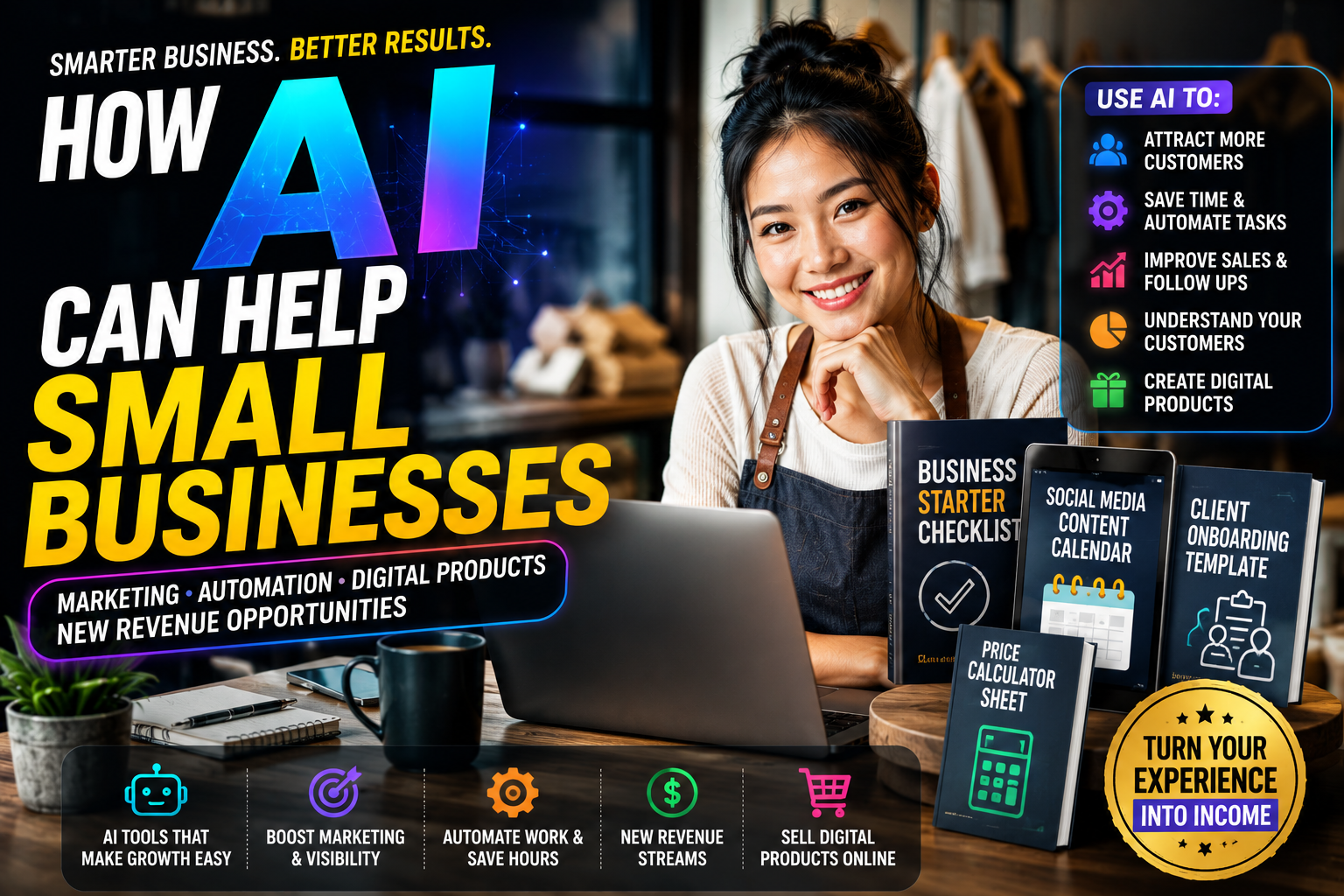
Learn how small businesses can use AI for marketing, sales, customer service and automation—and turn real business experience into digital products to sell online.
By Davie

Learn how to build an AI-powered online business with practical ideas, tools, customer strategies, AI automation and a 30-day startup roadmap
By Davie
Get the updates, on newly released, popular & fast-moving MRR digital products
Up to Top
Comments All
Philis Nzuna muindi
@philis_nzuna_muindi
My pleasure to work with you
June 24,2026 At 09:02 AM