
The digital product industry is growing faster than ever. Every day, thousands of people create eBooks, online courses, templates, checklists, prompts, software, planners, and printable products hoping to earn passive income.
Yet there is one uncomfortable truth.
Most digital products never make even a single sale.
Some creators spend weeks writing an eBook only to receive zero orders. Others upload online courses that never attract students. Many invest in beautiful designs but still fail to generate income.
Does this mean digital products don't work?
Absolutely not.
The global digital products market is worth billions of dollars and continues to grow because consumers increasingly prefer instant, downloadable solutions. The problem isn't the industry, it's the approach.
This guide explains why most digital products fail and how you can avoid those mistakes to create products that consistently attract buyers.
Digital products rarely fail because they're digital.
They fail because they solve the wrong problems, target the wrong audience, or are marketed poorly.
Think about it this way.
People don't buy PDFs.
People buy solutions.
They don't purchase an online course because it has 40 videos.
They buy it because they believe it will help them get a better job, lose weight, learn a skill, make money, or solve a frustrating problem.
The moment you understand this, your sales strategy changes completely.
This is the biggest mistake.
Many creators wake up with an idea and immediately start creating.
They never ask:
· Does anyone actually want this?
· Are people searching for it?
· Are people already paying for similar solutions?
Creating before researching is like opening a shop in the middle of a forest and expecting customers to appear.
Before creating anything, research demand using:
· Google Search
· Google Trends
· ChatGPT
· Quora
· YouTube
· Amazon Best Sellers
· Vezill Marketplace
· Social media comments
· Keyword research tools
If thousands of people are searching for a solution every month, you're heading in the right direction.
People spend money to eliminate pain.
The bigger the pain, the bigger the opportunity.
For example:
Low Demand Product:
"How to Organize Your Desktop Icons"
High Demand Product:
"How to Find a Remote Job in 30 Days"
Which one would more people pay for?
Always focus on problems involving:
· Money
· Health
· Business
· Relationships
· Career
· Education
· AI
· Productivity
· Parenting
· Personal development
Customers don't care about features.
Instead of saying:
300-page eBook
Say:
Learn how to build a digital business from scratch, even if you've never sold anything online.
Instead of:
50 Canva Templates
Say:
Save over 100 hours designing professional social media content.
People buy results.
Many creators assume they know what customers want.
Successful creators collect evidence.
Research:
· Frequently asked questions
· Customer frustrations
· Search trends
· Reviews of competing products
· Facebook Groups
· LinkedIn discussions
· TikTok comments
Every complaint you discover is a potential digital product.
AI has made content creation faster.
Unfortunately, many creators simply copy AI output without editing it.
Buyers notice.
High-quality products include:
· Original insights
· Real examples
· Action steps
· Templates
· Worksheets
· Checklists
· Case studies
· Visuals
Always improve AI-generated drafts with your expertise and careful editing.
One of the fastest ways to fail is trying to sell to everyone.
Instead of:
"I help everyone make money."
Try:
"I help Kenyan university students create and sell digital products using AI."
Specific audiences convert better.
Imagine seeing these two products.
Product A:
Business Guide
Product B:
How to Start a Profitable Online Business Using AI in 30 Days
Which would you click?
Great titles are:
· Specific
· Benefit-focused
· Keyword-rich
· Easy to understand
People judge digital products by their covers.
A professional cover builds trust immediately.
A poor design signals low quality even if the content is excellent.
Invest time in:
· Professional typography
· High-quality images
· Clean layouts
· Strong color contrast
· Clear branding
Why should someone buy from you?
People need confidence that your product is credible.
Build trust through:
· Testimonials
· Reviews
· Case studies
· Portfolio examples
· Success stories
· Social proof
Even a few authentic customer reviews can significantly improve conversions.
Many descriptions simply list what's inside.
Instead, explain:
· The problem
· Why it matters
· What the buyer will achieve
· Who the product is for
· What makes it different
· What is included
· The expected outcome
Good descriptions sell benefits, not just contents.
Some creators charge too little.
Others charge far too much.
Pricing should reflect:
· Value delivered
· Market demand
· Competitor positioning
· Audience purchasing power
· Bonuses included
Sometimes increasing the price actually improves perceived value.
Uploading a product isn't marketing.
Many creators believe:
"If I upload it, customers will come."
Unfortunately, they won't.
Successful creators market consistently through:
· SEO blogs
· TikTok
· YouTube
· Email newsletters
· WhatsApp communities
Marketing should begin before your product launches not afterward.
Many digital products can't be found because they're not optimized for search.
Use keywords naturally in your:
· Product title
· Description
· File name
· Blog articles
· Image alt text
· FAQs
· Headings
Also answer real user questions in your content. This helps your pages appear in Google Search and AI-generated answers.
After reading your product page, buyers should know exactly what to do next.
Avoid vague endings.
Use clear calls to action such as:
· Download today
· Start learning now
· Get instant access
· Launch your business today
· Begin earning online
Reduce friction wherever possible.
Many creators upload one product and wait.
Successful digital entrepreneurs build a portfolio.
Imagine having:
· 5 eBooks
· 10 templates
· 3 online courses
· 20 AI prompt packs
· 15 printable planners
· A membership
· Email automation
Each product becomes another opportunity to generate income.
The more valuable products you create, the more ways customers can discover and buy from you.
Some categories consistently perform well because they address ongoing demand:
· AI guides and prompt libraries
· Online courses
· Business templates
· Financial planning tools
· Health and wellness guides
· Career development resources
· Study materials
· Productivity systems
· Marketing resources
· Digital planners
· Printable worksheets
· Software and mobile apps
· Design assets
· Website templates
· Professional checklists
The most successful products help people save time, make money, improve skills, or solve recurring problems.
Follow this process:
Find a challenge people are actively trying to solve.
Use search engines, forums, AI tools, and marketplace data to confirm interest.
Include actionable guidance, templates, examples, and practical resources.
A polished presentation increases trust and perceived value.
Use relevant keywords and answer common questions to improve discoverability.
Share useful content, educate your audience, and build relationships before asking for the sale.
Update your product regularly with new examples, corrections, and improvements to keep it valuable.
Creating a great product is only half the journey. You also need a marketplace where buyers can discover and purchase it easily.
Vezill is designed specifically for digital products, allowing creators and traders to sell downloadable assets such as eBooks, online courses, templates, guides, software, videos, and AI resources.
One of its standout features is support for Master Resell Rights (MRR) products. This enables creators to license selected products so buyers can legally resell them, creating additional earning opportunities while helping successful products reach wider audiences.
Whether you're a first-time creator or an experienced digital entrepreneur, listing your products on Vezill gives you access to a marketplace built around digital commerce rather than physical goods.
The most common reasons are weak market research, poor positioning, unclear messaging, low visibility, and insufficient marketing. Buyers need to understand the value your product delivers and be able to find it.
Yes. Demand for digital learning, AI tools, templates, business resources, and downloadable content continues to grow. Success depends on solving real problems and reaching the right audience.
Products that save time, increase income, improve productivity, teach valuable skills, or solve urgent problems often perform best.
AI is an excellent tool for research, outlining, drafting, and brainstorming. However, the final product should be reviewed, refined, fact-checked, and enhanced with original insights to ensure quality and uniqueness.
Most digital products don't fail because the market is saturated.
They fail because they were created without understanding what buyers truly need.
The creators who succeed consistently do three things well:
· They research real customer problems.
· They build practical, high-quality solutions.
· They market those solutions consistently over time.
If you focus on solving meaningful problems, optimize your products for both traditional search and AI-powered discovery, and promote them through the right channels, you dramatically increase your chances of building a profitable digital product business.
The opportunity has never been greater. The key is to create value first and let sales follow.
Discover more articles you might be interested in

Digital Products Market 2026–2030: Is It Worth Investing In? Global Data, Trends & Opportunities

By Super Admin
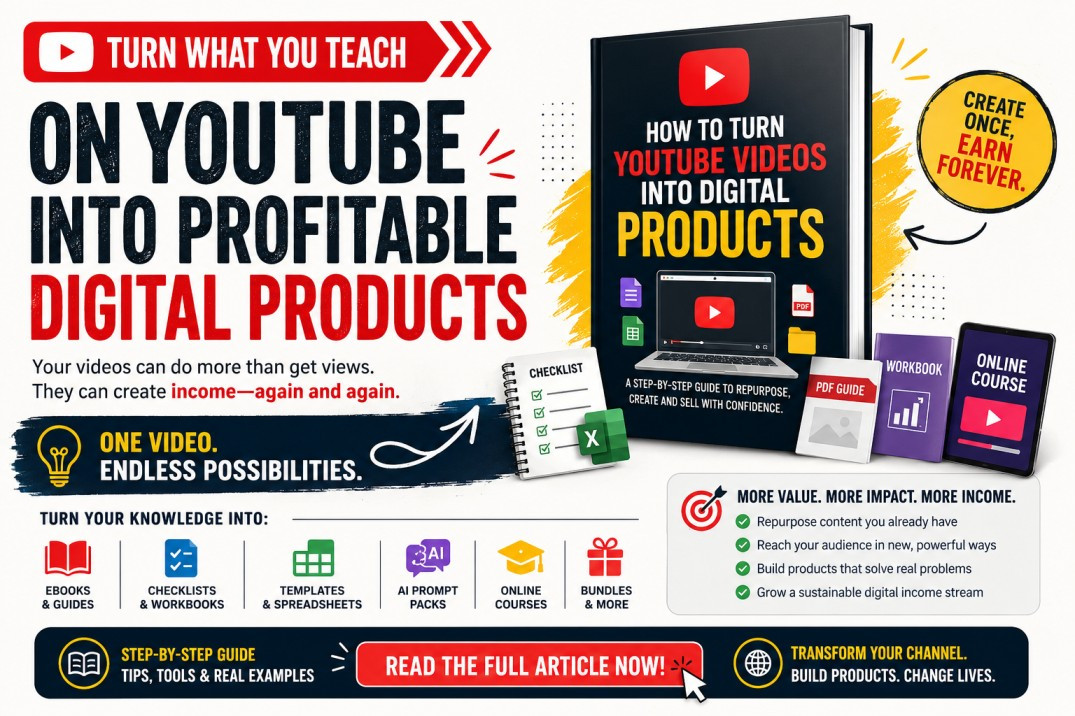
Learn how to turn your YouTube videos into profitable digital products such as ebooks, courses, guides, templates, checklists and prompt packs using AI.
By Super Admin

Discover 100 high-demand digital product topics for ebooks, PDF guides, online courses, AI prompt packs, apps, audio products and video tutorials.
By Super Admin
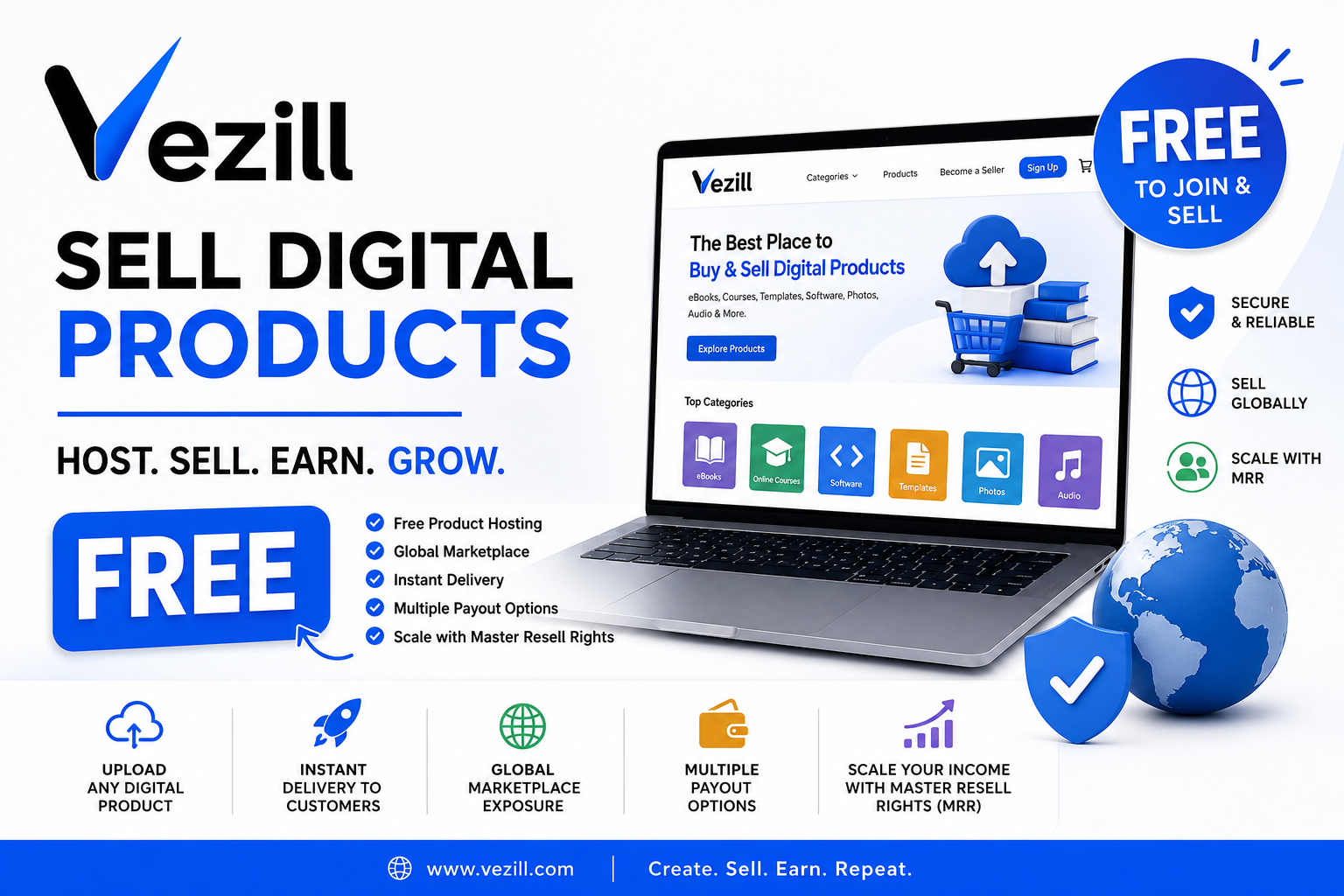
Discover why Vezill is one of the best free platforms to host and sell digital products worldwide
By Super Admin
Get the updates, on newly released, popular & fast-moving MRR digital products
Up to Top